Category: Blog

The Benefits of Choosing Dental Implants

One of the most cutting-edge and dependable options for replacing lost teeth is dental implants. A dental implant is a titanium post that is surgically inserted into the jawbone to function as an artificial tooth root and is made to resemble the structure of a natural tooth. A crown, bridge, or denture can be firmly affixed to restore complete function and appearance once the implant and bone fuse together through a process known as osseointegration. In addition to improving a smile’s beauty, this cutting-edge procedure offers a long-lasting solution that enhances oral health and general quality of life.

Dental implants offer unparalleled stability and strength since they are fixed directly into the jaw, unlike conventional bridges or dentures. As a result, patients can confidently chew, talk, and smile without fear of discomfort or slippage. The implant also helps stop the bone loss that usually happens after a tooth is lost since it becomes a part of the bone. This maintenance of bone structure promotes long-term oral health and preserves the face’s natural features.

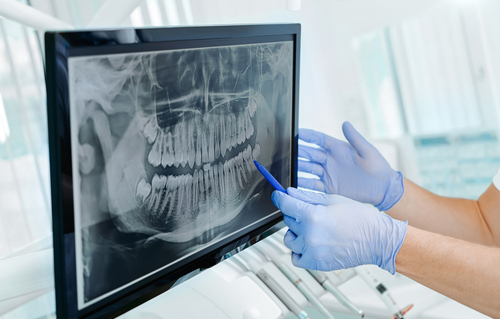
Getting a dental implant is a multi-step process that could take many months to finish, but the benefits outweigh the cost. To assess the condition of the jawbone and choose the ideal location for the implant, a comprehensive dental examination is first performed by Glen Allen Dental Arts, which includes X-rays and 3D imaging. A bone transplant can be required to establish a firm foundation if there is not enough bone. When the jaw is prepared, the titanium implant is surgically placed into the bone while being comfortably sedated or under local anesthesia.

Following implantation, the implant fuses with the bone during the healing phase. Depending on how well the person heals, this stage may take a few weeks to many months. After the implant is securely fixed, a custom-made crown is affixed to the post using a tiny connector known as an abutment. The finished product blends in perfectly with the rest of the smile and has the appearance, feel, and functionality of a natural tooth.

A single missing tooth, several lost teeth, or even an entire arch can be replaced with dental implants because of their great versatility. Bridges or dentures supported by implants offer a safe and comfortable substitute for conventional removable prosthetics for patients who are missing many teeth. These alternatives provide a more stable and realistic-feeling solution by equally distributing biting forces and doing away with the need for glue.

Patients who are committed to keeping proper oral hygiene, have healthy gums, and have adequate bone density are suitable candidates for dental implants. A thorough evaluation is necessary since long-term illnesses like uncontrolled diabetes or bad habits like smoking can impact implant success and healing. Implants have a success rate of over 95% and can last a lifetime if properly maintained.

The maintenance of dental implants is comparable to that of natural teeth. For the gums and surrounding tissues to remain healthy, regular brushing, flossing, and professional cleanings are required. Gum disease can develop in the surrounding tissues even though the implant itself cannot degrade if left untreated. Frequent dental checkups contribute to the implant’s long-term stability and functionality.

For those who are lacking teeth, dental implants provide a transformative option that offers exceptional comfort, functionality, and aesthetics. Implants improve speech, digestion, and self-confidence in addition to improving grin look by restoring both form and function. Dental implants continue to be the gold standard for tooth replacement as methods and technology advance, giving patients back their smiles and their quality of life.
Boost Your Smile with Cosmetic Dentistry

Enhancing a person’s smile, gums, and teeth is the main goal of cosmetic dentistry. Cosmetic therapies go beyond standard dentistry’s focus on dental health and function to improve appearance. Cosmetic dentistry provides a number of options to make people feel better about their smiles, such as lightening discolored teeth, straightening uneven edges, or restoring missing teeth. It’s easier and more affordable than ever to get a natural, appealing look with today’s cutting-edge methods and materials.

Whitening of the teeth is one of the most common cosmetic procedures. Foods, beverages, tobacco use, and aging can all cause teeth discoloration over time. Compared to over-the-counter solutions, professional whitening procedures provided by dentists yield more noticeable and durable effects. While tailored take-home kits enable more progressive teeth whitening in the privacy of your own home, in-office treatments can brighten teeth several shades in a single visit. Your brighter smile can be maintained by practicing regular oral hygiene and abstaining from activities that can cause discoloration.

Another very popular cosmetic option is dental veneers. Veneers are thin porcelain or composite resin shells that are adhered to the teeth’s front surfaces. A variety of flaws, such as chips, cracks, gaps, discolouration, and even slightly misaligned teeth, can be easily fixed with them. Because they are custom-made, veneers blend in smoothly with natural teeth for a realistic appearance and provide a long-lasting, stain-resistant solution for creating a perfect smile.

Dental implants offer both practical and cosmetic advantages to those who have lost or seriously damaged teeth. Implants are made of a titanium post that is surgically inserted into the mandible and covered with a bespoke crown that mimics the appearance and functionality of a natural tooth. By stopping bone loss, this method not only improves looks but also promotes jaw health. Implants are more comfortable, long-lasting, and successful than conventional bridges or dentures.

Compared to veneers, cosmetic bonding is more conservative and less expensive. This process fixes problems like chipping, gaps, or discolouration by applying a tooth-colored resin to the tooth and shaping it into the desired form. Bonding is typically finished in a single session and involves little to no removal of tooth enamel. It offers a good fix for minor aesthetic issues, although not being as strong as veneers.

Because they provide a discrete method of straightening teeth, clear aligners like Invisalign have completely changed orthodontic therapy. Without the need of wires or metal brackets, these specially designed plastic trays progressively realign teeth. Because of its comfort and aesthetic appeal, many adults and teenagers choose clear aligners, and it’s convenient to be able to take them off for brushing and eating. In addition to making you smile, straighter teeth also promote better bite and dental hygiene.

Gum contouring, sometimes referred to as gum reshaping, is another cosmetic operation that shapes the gum line to improve the appearance of the smile. Some people may have receding gums that reveal too much of the tooth root, while others may have too much gum tissue that makes their teeth appear little. A dentist can rearrange the gums to produce a more balanced and appealing smile by using surgical instruments or a soft tissue laser.

Cosmetic dentistry frequently enhances oral health and dental function in addition to appearance. By making brushing and flossing easier, misaligned teeth can lower the risk of gum disease and decay. In addition to preventing nearby teeth from moving, replacing lost teeth can improve chewing efficiency. Additionally, improving one’s grin can increase one’s self-esteem and rekindle one’s desire to smile and interact with others.

Cosmetic dentistry procedures are now more accessible, comfortable, and efficient than ever. Dentists may assist patients of all ages in achieving the smile of their dreams with individualized treatment and contemporary technologies. Cosmetic dentistry provides a wide range of solutions to fit your objectives, lifestyle, and budget, whether you’re seeking for a minor improvement or a full smile makeover. Putting money into your smile can pay off in the long run by improving your appearance, confidence, and general quality of life.

Restore Damaged Teeth with Dental Crowns

One popular and efficient way to repair weak or broken teeth is with dental crowns. A crown enhances a tooth’s strength, function, and appearance by completely covering the visible section of the tooth, acting as a protective cap. The additional support of a crown can significantly improve a weakened tooth, regardless of the cause—death, trauma, or wear. Crowns are a flexible tool in restorative and cosmetic dentistry since they can be used to finish other dental operations including bridges, implants, and root canals. Modern dental crowns are more comfortable, long-lasting, and visually beautiful than ever before, and they are made to blend in perfectly with your smile.

Protecting a tooth that has been weakened by decay or trauma is one of the main reasons a dentist might suggest a crown. A filling might not be sufficient to restore a tooth’s function when a large amount of its structure has been destroyed. By strengthening the tooth, a crown stops additional deterioration or fracture. Additionally, it lessens the strain on the adjacent teeth and the original tooth by distributing bite forces equally. To preserve long-term stability and protect the remaining tooth structure after a root canal, a crown is frequently required.

Crowns are also commonly used to make teeth look better. A skillfully designed crown can restore teeth that are deformed, badly stained, or worn down to a more desirable shape and color. Crowns provide a natural appearance that blends in with the surrounding teeth since they are made to order for each patient. Because of their exceptional aesthetics, porcelain and ceramic crowns are particularly popular for front teeth.

Usually, receiving a dental crown requires two trips to the dentist. The dentist reshapes the tooth to fit the crown and removes any decay during the initial appointment. After that, a dental lab receives an impression of the tooth and uses it to create a crown that is precisely the same size, shape, and color as your original teeth. In order to preserve the prepared tooth while the permanent crown is being made, a temporary crown is placed over it. The tooth’s appearance and functionality are restored at the second session when the temporary crown is taken out and the final crown is put into place.

A range of materials, each with unique advantages, can be used to create crowns. Crowns made of porcelain or ceramic are perfect for front teeth since they are very aesthetically pleasing and mix in nicely with natural teeth. For molars where strength is a top concern, metal crowns—including those made of gold and other alloys—are frequently utilized due to their exceptional durability. Although porcelain-fused-to-metal crowns combine strength and aesthetics, they may eventually develop a black line close to the gum line. The position of the tooth, the patient’s preferences, and the dentist’s advice all influence the material selection.

Dental crowns can endure for ten to fifteen years or more with the right maintenance. Maintaining the health of the gums and underlying tooth requires practicing good dental hygiene. Gum disease and decay that could jeopardize the crown can be avoided by brushing and flossing twice a day and going to the dentist for routine examinations. Avoiding foods that are sticky or hard can help keep crowns from chipping or coming loose, especially if they are older. It’s critical to visit a dentist right away for crown replacement or repair if one gets loose or broken.

Dental crowns are a necessary solution for many dental problems since they provide both restorative and aesthetic advantages. Crowns offer a dependable and durable alternative for repairing broken teeth, supporting dental bridges, or improving the appearance of a smile. Crown installation has become more accurate and pleasant thanks to advancements in dental technology, and better materials guarantee a natural appearance and feel. Dental crowns continue to be a reliable and successful procedure for individuals looking to restore the appearance and health of their teeth, which can help them smile more confidently and with more strength.

Protect Your Smile with a Custom Mouth Guard

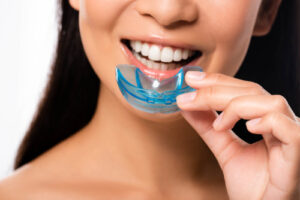
Mouth guards are easy-to-use yet incredibly powerful tools for protecting the jaw, tongue, gums, and teeth. These guards, which are frequently made of flexible plastic, are frequently used by athletes, those who grind their teeth at night, and people getting orthodontic treatment. Wearing a mouth guard can help prevent painful dental issues, lower the chance of trauma, and maintain long-term oral health whether you’re playing contact sports or have nighttime bruxism.

Sports are one of the most well-known applications for mouth guards. Dental injuries can result from unintentional strikes or falls in contact sports like football, hockey, basketball, boxing, and even non-contact sports like gymnastics or skateboarding. By cushioning these hits, a mouth guard that fits properly can help avoid concussions, damaged lips, and fractured teeth. Actually, research indicates that athletes who wear mouth guards have a much lower risk of dental injury than those who do not. To protect athletes and cut down on emergency dental visits, many schools and sports leagues now require their use.

A mouth guard is also frequently used to treat bruxism, or teeth grinding. This frequently unconscious behavior usually takes place while you’re sleeping and can result in tooth fractures, headaches, worn enamel, and jaw pain. A night guard serves as a barrier of protection between the upper and lower teeth and is made especially for usage at night. People can sleep more peacefully and wake up without jaw pain or teeth sensitivity since it absorbs pressure and reduces damage. If bruxism is not treated, it can lead to long-term harm that might necessitate costly restorative surgeries.

People getting orthodontic treatment can also benefit from mouth guards. Particularly when exercising, braces and other orthodontic devices might increase the mouth’s susceptibility to cuts and abrasions. The brackets and wires are accommodated by specially made orthodontic mouth guards that provide the same degree of protection. These protectors aid in preventing harm to the soft tissues inside the mouth as well as to the appliances.

Stock, boil-and-bite, and custom-fit mouth guards are the three primary varieties. Although pre-formed and ready to wear, stock mouth guards are sometimes large and poorly fitted. Unlike stock choices, boil-and-bite guards, which are sold in many pharmacies, are molded to the user’s teeth after being softened in hot water. However, a dentist’s custom-fit mouth guards offer the finest comfort and protection. These are customized to the person’s teeth and bite, guaranteeing the best possible fit, comfort, and longevity. Custom guards are frequently the most durable and effective choice, although being more costly.

The secret to a mouth guard’s success is regular use. Rinse it after every use, store it in a ventilated case, and periodically inspect it for wear or damage to keep it clean. A worn-out guard should be replaced as necessary because it might not offer enough protection. Dentists can guarantee that the new guard fits correctly and assist in determining when a replacement is required.

Mouth guards aren’t limited to sportsmen or those with clear dental problems. For anyone who is susceptible to dental damage or nightly grinding, they are a wise investment in oral health. Parents should make sure their kids and teenagers wear the proper mouthguards when playing sports and see a dentist if they think their teeth may be grinding. Adults should also talk about the possibilities of wearing a night guard if they wake up with jaw pain or see evidence of enamel wear.

Including a mouthguard in your daily routine can help you avoid accidents, save money on dental care, and improve your general health. It’s a tiny step that offers significant advantages, like physical safety and peace of mind in daily life. A well maintained mouth guard, whether it is over-the-counter or custom-made, can be an essential tool in keeping your smile intact for many years to come.

Is Sedation Dentistry Right for You?

For individuals who are afraid, anxious, or uncomfortable during dental visits, sedation dentistry provides a soothing option. Dentists can help people relax while undergoing required treatment by administering safe and controlled sedatives. People who have complex dental needs, a sensitive gag reflex, dental fear, or trouble sitting still can find this method particularly beneficial. Sedation dentistry makes dental care more effective and less stressful by allowing patients to feel more relaxed and frequently finish several procedures in a single visit.

Various forms of sedation are employed in dentistry, contingent on the complexity of the procedure and the patient’s requirements. Commonly referred to as laughing gas, nitrous oxide is the mildest type. It instantly creates a calming effect and is inhaled through a little mask that is placed over the nose. After the mask is taken off, the symptoms go away practically instantly, enabling patients to drive themselves home and get back to their regular activities that same day.

Taking a prescribed medication an hour prior to the visit is known as oral sedation. Depending on the dosage, this kind of sedation can range from mild to moderate. Even though they may feel sleepy, they are nonetheless alert and awake. Some people may experience partial memory loss with oral sedation, which is sometimes viewed as advantageous for people who are highly anxious. Patients will require transportation to and from the appointment because the effects may last.

Intravenous (IV) sedation may be suggested for more involved treatments or for those who have significant dental anxiety. IV sedation, which is given through a vein, acts rapidly and enables the dentist to modify the degree of sedation while the patient is being treated. Even though they are still awake and able to react, patients frequently feel as though they have fallen asleep during the entire process. IV sedation should only be administered by qualified specialists in a controlled environment and necessitates careful monitoring of vital signs.

Rarely, a patient may be rendered totally unconscious with the administration of general anesthetic. This is usually given by an anesthesiologist at a hospital or specialty clinic and is only used for oral surgery or patients with particular medical requirements. Despite its effectiveness, general anesthesia is riskier and takes longer to recover from.

In addition to reducing anxiety, sedation dentistry benefits people with mental or physical health issues that make receiving dental care challenging. People who have very sensitive teeth, a low pain threshold, or a lot of dental treatment that needs to be done in a single visit might all benefit. Sedation may also be administered to children or people with specific needs in order to guarantee their comfort and safety throughout treatment.

In sedation dentistry, safety comes first. Dentists consider the patient’s medical history, current medications, and anxiety level before suggesting any kind of sedation. They also go over what to anticipate before to, during, and following the treatment. Throughout the procedure, vital signs are tracked using monitoring equipment to make sure everything stays stable.

A patient’s perspective on dental care can be changed by sedation, which enables them to continue with important procedures and preventive checkups without feeling anxious. Untreated dental anxiety frequently results in postponed care, deteriorating oral health, and later, more involved procedures. Even the most anxious individuals can get the care they require in a comfortable and secure environment with sedation.

Sedation solutions in dental offices today are more customizable and easily accessible than in the past. Modern dentistry offers a variety of options for patients who want either mild relaxation or more profound sedation for more demanding treatments. Sedation dentistry could provide the comfort required to restore a confident, healthy smile if fear or discomfort has prevented you or someone you know from going to the dentist.

Why Oral Cancer Screenings Matter

Oral cancer screening is a quick and painless examination that can save lives. This essential part of preventive healthcare helps detect early signs of cancer in the mouth, lips, tongue, and throat—areas often overlooked until symptoms become severe. Dentists and healthcare providers perform these screenings during routine checkups, looking for unusual sores, discoloration, lumps, or other signs of concern. When caught early, oral cancer has a significantly higher chance of being treated successfully, making these screenings crucial for long-term health.

Oral cancer can affect anyone, but certain factors increase the risk. Tobacco use—whether smoking or chewing—is a leading cause, followed closely by heavy alcohol consumption. The human papillomavirus (HPV), especially HPV-16, is also a major contributor to the rise in oral cancer cases, particularly among younger adults. Poor oral hygiene, excessive sun exposure to the lips, and a history of cancer in the family can also elevate risk levels. Despite these known risks, oral cancer is often diagnosed in later stages, which is why regular screenings are so important.

The screening process is simple and usually takes just a few minutes. During a dental exam, the provider checks for red or white patches, sores that don’t heal, and any thickened or hard areas in the mouth. They may also feel around the neck and jaw for lumps or swollen lymph nodes. In some cases, specialized tools like lights or dyes can help highlight abnormal tissues that might be missed during a visual exam. If anything suspicious is found, the dentist may refer the patient for a biopsy or further testing to determine if cancer is present.

One of the most valuable aspects of oral cancer screening is its ability to detect issues before symptoms arise. Oral cancer can be deceptive, often painless in its early stages and easily mistaken for common mouth irritations. By the time noticeable signs—such as persistent mouth pain, difficulty swallowing, hoarseness, or unexplained weight loss—appear, the disease may have already progressed. Early detection greatly increases survival rates and can often lead to less invasive treatment options.

Screenings are especially important for individuals over 40, those with known risk factors, and anyone with a history of prolonged tobacco or alcohol use. However, because oral cancer is increasingly being diagnosed in younger adults, especially due to HPV, many dentists recommend screenings for all adults, regardless of age. This proactive approach ensures that potential problems are caught early, offering the best chance for effective treatment and recovery.

Educating patients about the signs and risk factors of oral cancer is just as important as the screening itself. Dentists play a critical role in raising awareness and encouraging healthy habits. Quitting tobacco, moderating alcohol intake, practicing good oral hygiene, and using lip balm with SPF can all help reduce risk. Additionally, getting vaccinated against HPV can offer protection against virus-related oral cancers.

While the idea of cancer can be frightening, the screening process is nothing to fear. It’s fast, non-invasive, and often included as part of a regular dental exam. Many people don’t realize they’ve already had one unless their dentist explains it. The peace of mind that comes from knowing you’ve taken steps to protect your health is well worth a few extra minutes in the dental chair.

Oral cancer screening is a simple yet powerful tool in the fight against cancer. It empowers patients and providers to detect potential issues early, take timely action, and ultimately save lives. By making screenings a routine part of dental care, we can improve outcomes, raise awareness, and reduce the impact of this often-overlooked disease.