Oral cancer screening is a quick and painless examination that can save lives. This essential part of preventive healthcare helps detect early signs of cancer in the mouth, lips, tongue, and throat—areas often overlooked until symptoms become severe. Dentists and healthcare providers perform these screenings during routine checkups, looking for unusual sores, discoloration, lumps, or other signs of concern. When caught early, oral cancer has a significantly higher chance of being treated successfully, making these screenings crucial for long-term health.
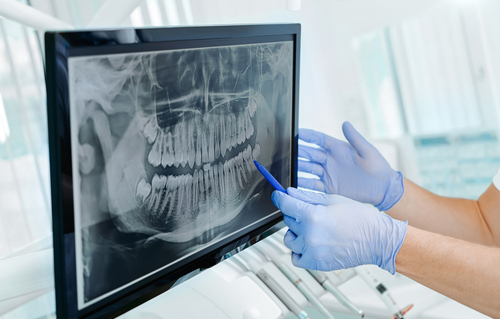
Oral cancer can affect anyone, but certain factors increase the risk. Tobacco use—whether smoking or chewing—is a leading cause, followed closely by heavy alcohol consumption. The human papillomavirus (HPV), especially HPV-16, is also a major contributor to the rise in oral cancer cases, particularly among younger adults. Poor oral hygiene, excessive sun exposure to the lips, and a history of cancer in the family can also elevate risk levels. Despite these known risks, oral cancer is often diagnosed in later stages, which is why regular screenings are so important.
The screening process is simple and usually takes just a few minutes. During a dental exam, the provider checks for red or white patches, sores that don’t heal, and any thickened or hard areas in the mouth. They may also feel around the neck and jaw for lumps or swollen lymph nodes. In some cases, specialized tools like lights or dyes can help highlight abnormal tissues that might be missed during a visual exam. If anything suspicious is found, the dentist may refer the patient for a biopsy or further testing to determine if cancer is present.
One of the most valuable aspects of oral cancer screening is its ability to detect issues before symptoms arise. Oral cancer can be deceptive, often painless in its early stages and easily mistaken for common mouth irritations. By the time noticeable signs—such as persistent mouth pain, difficulty swallowing, hoarseness, or unexplained weight loss—appear, the disease may have already progressed. Early detection greatly increases survival rates and can often lead to less invasive treatment options.
Screenings are especially important for individuals over 40, those with known risk factors, and anyone with a history of prolonged tobacco or alcohol use. However, because oral cancer is increasingly being diagnosed in younger adults, especially due to HPV, many dentists recommend screenings for all adults, regardless of age. This proactive approach ensures that potential problems are caught early, offering the best chance for effective treatment and recovery.
Educating patients about the signs and risk factors of oral cancer is just as important as the screening itself. Dentists play a critical role in raising awareness and encouraging healthy habits. Quitting tobacco, moderating alcohol intake, practicing good oral hygiene, and using lip balm with SPF can all help reduce risk. Additionally, getting vaccinated against HPV can offer protection against virus-related oral cancers.
While the idea of cancer can be frightening, the screening process is nothing to fear. It’s fast, non-invasive, and often included as part of a regular dental exam. Many people don’t realize they’ve already had one unless their dentist explains it. The peace of mind that comes from knowing you’ve taken steps to protect your health is well worth a few extra minutes in the dental chair.
Oral cancer screening is a simple yet powerful tool in the fight against cancer. It empowers patients and providers to detect potential issues early, take timely action, and ultimately save lives. By making screenings a routine part of dental care, we can improve outcomes, raise awareness, and reduce the impact of this often-overlooked disease.